
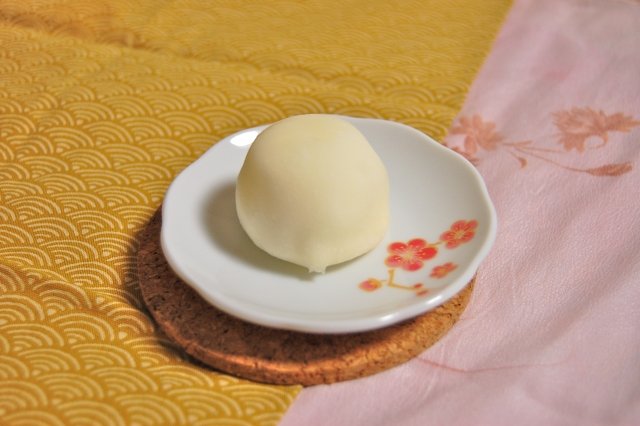
Japan, like New Zealand, experiences four distinct seasons, and a wide variety of dishes are enjoyed throughout the year. Alongside these seasonal foods, tableware has long been considered an important part of Japan’s food culture, enhancing the presentation and experience of meals.
There is a great variety of plates, differing in material, size, and shape. In addition, traditional pottery techniques have been passed down for generations across Japan, including Arita ware (Saga), Kutani ware (Ishikawa), Hasami ware (Nagasaki), Mino ware (Gifu), and Mashiko ware (Tochigi). Each region has its own unique methods and colours, and the skills and spirit of the artisans have been preserved over centuries.
Choosing your favourite dishes from this wide range of tableware and arranging them on the table is a small but delightful way to enrich everyday life. Among these familiar tableware items, one small plate that has long been part of daily Japanese life is the mamezara.
What is Mamezara?
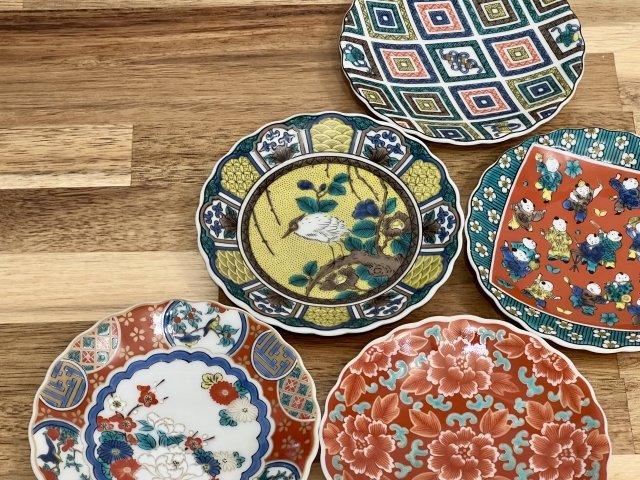
Mamezara is a small plate just under 10 cm in diameter, roughly the size of the palm of your hand. Its name comes from the word “mame” (literally “bean”), which also conveys the idea of “small” in this context, and “zara” (or “sara”), meaning “plate” in Japanese.
Mamezara can be made from ceramics, as well as wood or glass. Its history dates back to the Edo period (1603–1868), when it was originally used to hold salt. Over time, it developed into a plate for condiments or small side dishes.
Uses of Mamezaraa
Mamezara can be used to serve small portions of food, as well as pickles, sauces, or jams. They are especially useful in Japanese meals that feature many small dishes, allowing you to enjoy a variety of flavours in small portions. In New Zealand, they can also be used to separate different foods on a single plate or to serve sauces and dips alongside a main dish.

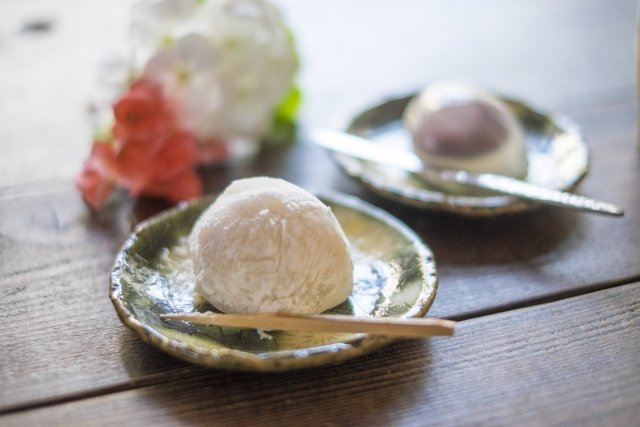
They are also perfect for serving sweets or small snacks like nuts and dried fruits, making them versatile for everyday use.
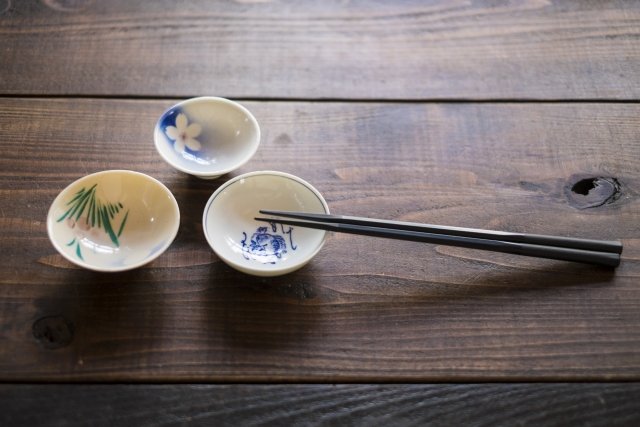
IIn addition, mamezara can serve as chopstick rests or holders for small items like accessories and keys, making them handy for everyday use.
Our Mamezara
Mamezara are easy to enjoy and, thanks to their variety, are also popular as gifts. Sets of mamezara are especially well-liked in the market.
A table with several mamezara of the same design can brighten up the dining space, make meals more fun, and turn everyday dining into a special experience.
We currently offer two types of mamezara: one with a simple and elegant design, and the other cute and playful—perfect for gifting or enjoying at home.

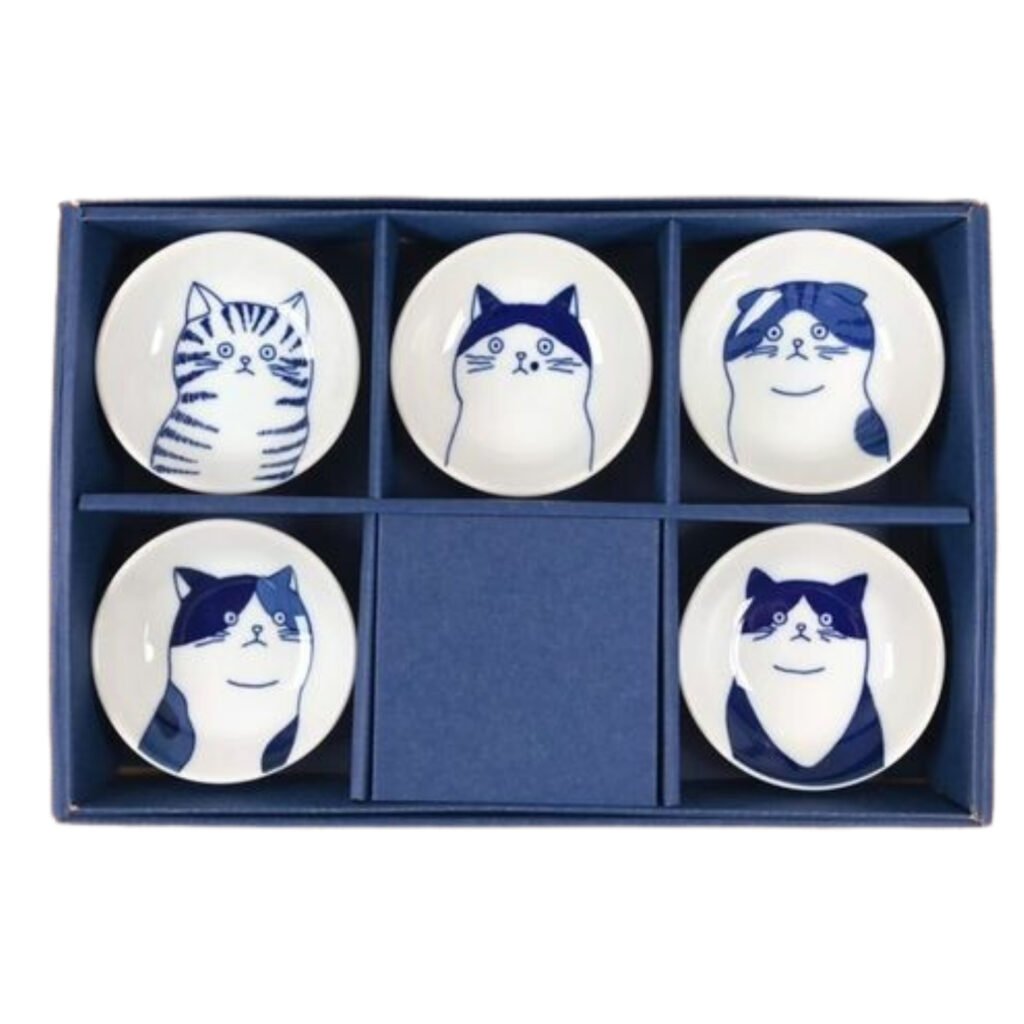

Find your own way to enjoy mamezara, and be sure to consider them as a perfect gift as well.
